Lessons I Didn’t Expect to Learn From Apartment Hunting
The most sophisticated systems fail—not because they’re broken, but because of how people show up inside them.
This month, my biggest leadership lesson didn’t come from a strategy review, a transformation roadmap, or a product delivery retro. It came from apartment hunting with my parents.
My parents are renovating their home to put it on the market next year. My dad has retired, and my mum is close behind. The goal was simple: find a one-bedroom apartment close to us so they could transition with minimal disruption.
On paper, the apartments were ideal. Prime locations. Great amenities. Clear processes. Even concessions on offer.
But the conversations told a different story.
Assumptions about our creditworthiness. Dismissive remarks about income levels. Suggestions that we “combine payslips” to maybe qualify. A blunt explanation: “If you all three make utmost $50k per person, Together, it might just work.”
No curiosity. No context. No empathy. Just Assumptions.
And suddenly, those “great systems” felt broken.
What stood out wasn’t the policies themselves — it was how they were being delivered and the assumptions behind them.
The requirements were consistent. The processes were sound. The logic made sense.
But perception, tone, and assumptions quietly undermined everything.
Despite follow-ups and incentives, we walked away from places that looked perfect on paper. Not because the system failed — but because the experience did.
Eventually, my parents found an apartment just a few miles away from me. Same process. Different people. Completely different outcome.
That’s when the pattern became impossible to ignore:
Most failures aren’t strategy failures. They’re execution and leadership failures.
This spans far beyond apartment leasing. It shows up everywhere:
- In product, when a great roadmap dies in delivery.
- In transformations, when change is technically correct but culturally rejected.
- In leadership, when intent doesn’t translate into trust.
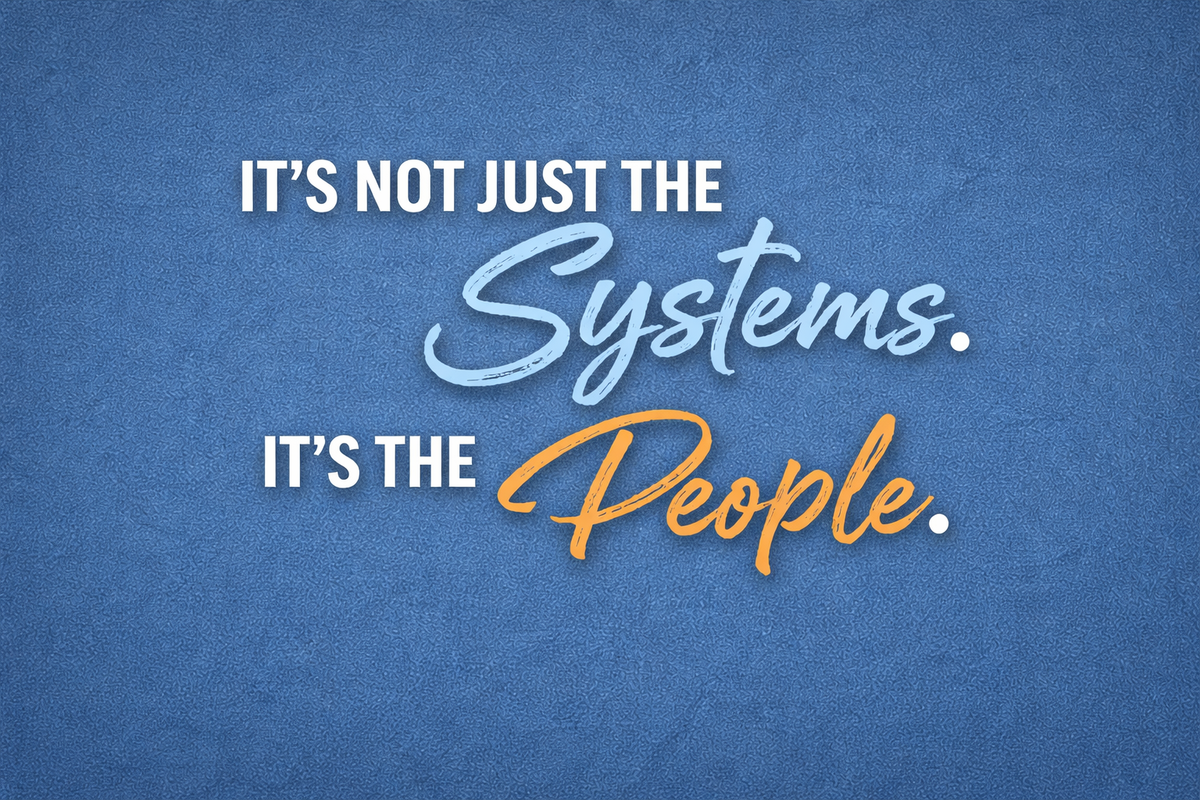
People don’t experience strategies, products, or operating models. They experience how those things are delivered.
We spend enormous effort designing:
- Product strategies
- Transformation roadmaps
- Target operating models
- Governance and metrics
But far less time designing the human layer - when strategy meets real life:
- How assumptions are formed
- How decisions are communicated
- How power is exercised
- How trust is built in moments that matter
A brilliant idea, poorly delivered, feels broken.
A strong system, delivered without empathy, erodes confidence.
A well-intended transformation, led without curiosity, quietly fails.
Execution isn’t just timelines and outputs. It's tone. It’s mindset. It’s how leaders show up when rules meet reality.
Looking Ahead to the New Year
As we plan strategies, roadmaps, and transformations for the year ahead, here’s the question I’m carrying with me:
👉 Are we designing for adoption and trust as intentionally as we design for outcomes? Are we designing for the human layer?
Because the real competitive advantage isn’t the framework, the tool, or the system.
It’s the humans who bring it to life.
And yes—having learned all of this, I’m officially onto the next journey: finding movers! The real test of systems, people, and execution. 😄